[VIDEO] How BC Homeowners Can Understand Heat Pump Rebates Without Feeling Overwhelmed
If you have ever opened a winter heating bill, stared at the total, and thought, “There has to be a better way to keep this home warm,” you are not alone.
Many homeowners in British Columbia are asking the same question. Heating costs have become a real concern, especially for households using older heating systems, electric baseboards, oil, propane, or natural gas. At the same time, there are rebate programs available that may help reduce the cost of upgrading to a more efficient heat pump.
The problem is not that help does not exist.
The problem is that the process can feel confusing.
There are different programs, different eligibility rules, different utility providers, income-based requirements, contractor rules, product lists, forms, invoices, timelines, and technical details most homeowners do not deal with every day.
So let’s make this simpler.
The video below walks through the rebate process as a clear roadmap. If you prefer to watch first, start there. If you prefer to read, this article breaks down the same process in plain language.
Before we begin, one important note: rebate programs can change. Always confirm the latest details directly through Better Homes BC, BC Hydro, FortisBC, or a program-registered contractor before making a final decision.
Why Heat Pumps Are Part of the Rebate Conversation
A heat pump is a heating and cooling system that moves heat instead of creating it from scratch.
In winter, it pulls heat from the outdoor air and moves it inside your home. In summer, it can reverse the process and move heat out of your home, helping keep the space cooler.
That is why heat pumps are often discussed as an energy-efficient upgrade. For many BC homeowners, they can replace or reduce reliance on older heating systems while also adding cooling for warmer months.
BC’s rebate programs are designed to help make these upgrades more affordable. Better Homes BC currently describes two major homeowner rebate pathways: the Home Renovation Rebate Program, which is available to households at any income level, and the Energy Savings Program, which provides income-based rebates for eligible households. The Home Renovation Rebate Program is funded by BC Hydro and FortisBC in partnership with the Province of B.C.; the Energy Savings Program bases rebates on household income.
The Simple Roadmap: Four Stops Before You Apply
The easiest way to understand the rebate process is to think of it as a four-stop roadmap.
You do not need to become a rebate expert. But you do need to follow the steps in the right order.
Stop 1: Check Whether You May Qualify
Your first step is not calling a contractor.
Your first step is understanding which rebate pathway may apply to your home.
Better Homes BC says rebate eligibility can depend on the type of home you live in, your household income, how many people live with you, where your home is located, and what fuel or electricity source you currently use for heating.
That means two neighbours on the same street may not qualify for the same amount.
For example, a homeowner with electric baseboard heating may fall under a different rebate pathway than a homeowner using natural gas, propane, or oil. An income-qualified household may also be directed to a different program than a household applying through the standard Home Renovation Rebate Program.
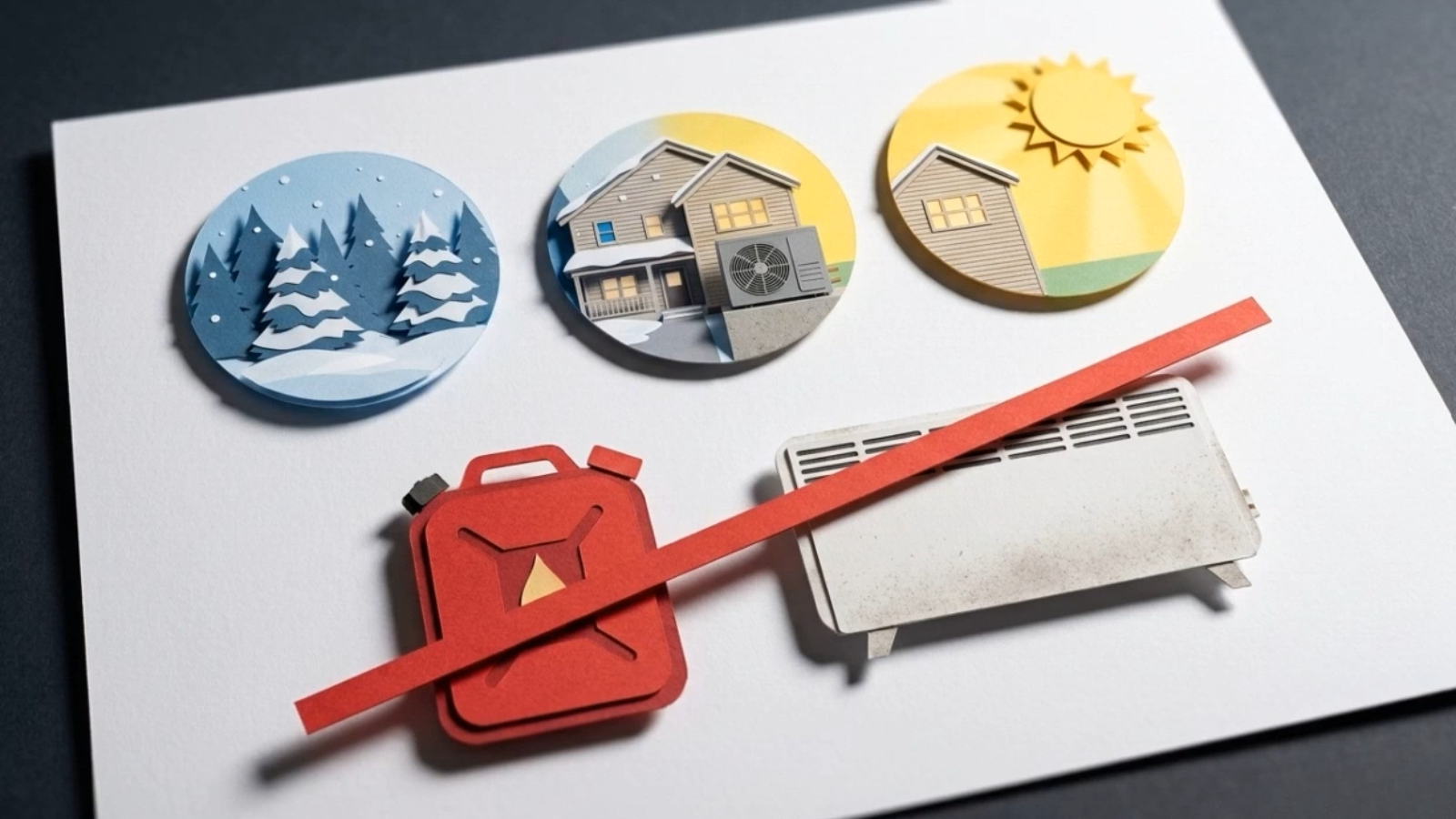
Better Homes BC provides a rebate questionnaire that asks a short series of questions to help identify rebates you may be eligible for. The Home Renovation Rebate Program page specifically invites homeowners to answer ten quick questions to find home energy rebates they might qualify for.
This is where you should start.
Before you request quotes or choose equipment, take a few minutes to check your possible eligibility. It can help you avoid wasting time on the wrong program or assuming you qualify for an amount that may not apply to your home.
Stop 2: Understand Your Current Heating System
The second stop is understanding what your home currently uses for heat.
This matters because rebate rules are tied to your existing heating source.
BC Hydro states that its Home Renovation Rebate Program is intended for homes primarily heated by electricity, such as electric baseboards or electric furnaces, and that homes primarily heated by natural gas, oil, or propane should check other program-partner rebates.
Better Homes BC also separates rebate options based on whether a home is heated by electricity, oil, natural gas, propane, wood, or other sources. Current Better Homes BC pages list different rebate categories for electrically heated homes, northern homes using oil, and northern homes using natural gas or propane.
So before you go too far, ask yourself:
What is my main heating system today?
Is it electric baseboard?
Is it an electric furnace?
Is it natural gas?
Is it oil?
Is it propane?
Is the home heated by wood or another system?
This matters because your existing system helps determine which rebate path you should investigate.
It also helps the contractor understand what kind of heat pump system may make sense for the home.
Stop 3: Use a Program-Registered Contractor
This is one of the most important parts of the process.
You generally cannot install a heat pump yourself and still expect to receive a rebate.
Better Homes BC says a program-registered contractor is required for most rebates, and BC Hydro says homeowners installing a heat pump or insulation need to hire a Home Performance Contractor Network member to be eligible for rebates.
Better Homes BC explains that program-registered contractors are members of the Home Performance Contractor Network, also known as HPCN. These contractors have training in industry best practices and program-specific requirements.
This is not just bureaucracy. It is protection.
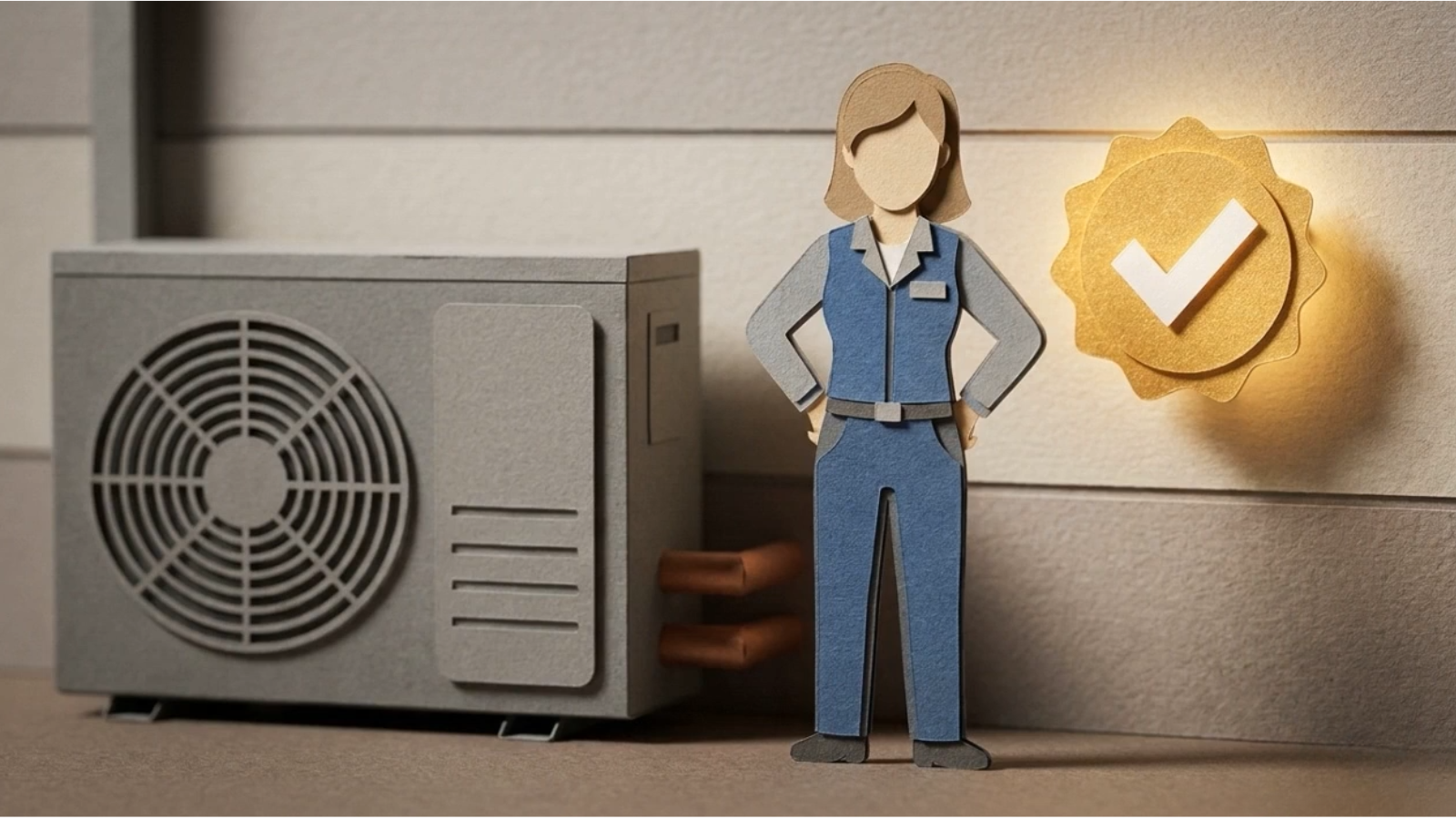
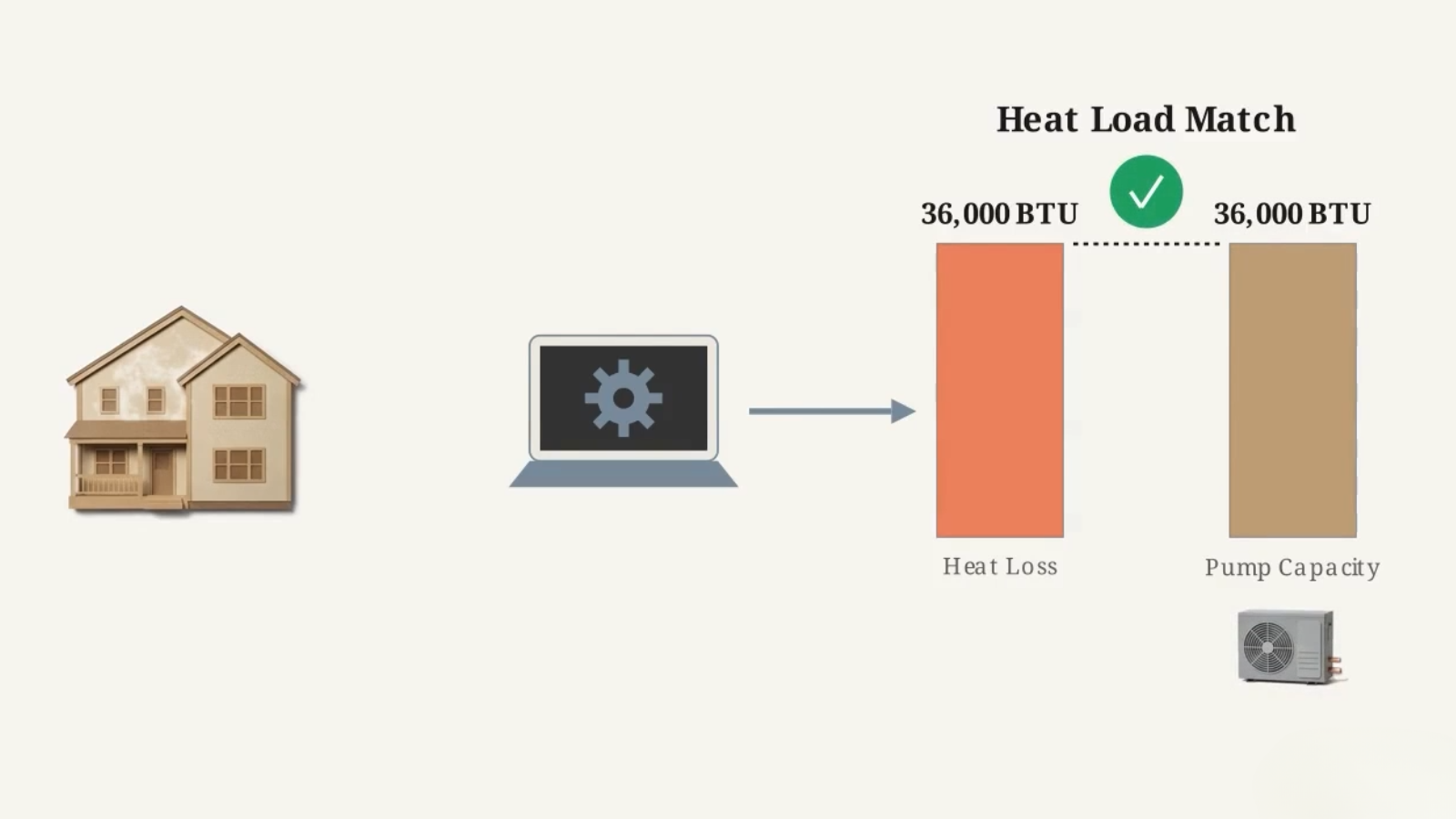
A qualified contractor helps make sure the system is properly selected, properly sized, and properly installed. For whole-home heat pump rebates, BC Hydro says the contractor must complete a heat load calculation using verified software at the home’s design temperature.
That calculation matters because a heat pump should be matched to the home. A system that is too small may struggle to keep the home comfortable. A system that is too large may cost more than necessary or operate inefficiently.
The contractor should also confirm whether the heat pump model is eligible. BC Hydro provides an eligible heat pump product list and notes that rebate amounts and eligibility can vary depending on the heat pump type, utility provider, and the home’s primary heating system before installation.
A practical homeowner move is to get more than one quote from program-registered contractors.
That gives you a better sense of pricing, equipment options, timelines, and how clearly each contractor explains the process.
When speaking with contractors, ask:
- Are you registered for the rebate program that applies to my home?
- Is the heat pump model eligible?
- Will you complete the required heat load calculation?
- What documents will I need for the rebate?
- Who submits the application?
- How long should I expect the rebate process to take?
You do not need to know every technical answer. But you should feel that the contractor can explain the process clearly.
Stop 4: Apply Properly and Watch the Timeline
After the installation is complete, the application process begins.
BC Hydro says that once an upgrade is complete, homeowners can use the online application form to apply for rebates from program partners including BC Hydro, CleanBC, or FortisBC.
The exact process may depend on your utility provider and the rebate program you are using. Better Homes BC separates application pathways for BC Hydro and New Westminster electrical customers, FortisBC and certain municipal electrical customers, and other specific top-ups where applicable.
This is why documentation is so important.
You may need invoices, product information, contractor documentation, photos, heat load calculation documents, or other supporting material depending on the program.
Your contractor should help you understand what is required. But as a homeowner, you should still keep copies of everything.
Create a simple folder for:
Your quotes
Your final invoice
The heat pump model information
Any eligibility confirmation
Photos, if provided
Application confirmation
Emails from the program or utility
Rebate programs are paperwork-heavy. A little organization can save you a lot of stress later
How Much Can Homeowners Receive?
This is the question most homeowners care about most.
The honest answer is: it depends.
Current official program pages show different amounts depending on the rebate pathway. BC Hydro currently lists heat pump rebates up to $4,000 through the Home Renovation Rebate Program. Better Homes BC currently lists income-based Energy Savings Program heat pump rebates for ground-oriented homes up to $13,000, and the Home Renovation Rebate Program page lists different maximums for certain northern heat pump rebates.
That is why the eligibility step matters so much.
Do not assume the highest number applies to your home.

Your final rebate may depend on income, home type, location, current heating source, utility provider, equipment type, and whether the installation meets all technical requirements.
The safest path is:
- Check the Better Homes BC rebate questionnaire.
- Confirm your program pathway.
- Speak with a program-registered contractor.
- Confirm the equipment is eligible before installation.
- Keep all documentation.
- Apply through the correct utility or program channel.
A Simple Homeowner Checklist
Before you move forward, use this checklist:
First, check the Better Homes BC rebate questionnaire.
Second, identify your current primary heating source.
Third, confirm whether your household may fall under an income-qualified program.
Fourth, find a program-registered contractor.
Fifth, get quotes and confirm the heat pump model is eligible.
Sixth, make sure the contractor explains the required paperwork.
Seventh, keep copies of every invoice, form, and confirmation.
Eighth, submit the application through the correct program or utility pathway.
Ninth, follow up if you do not receive confirmation.
Tenth, keep your final documents for your records.
The Biggest Mistake to Avoid
The biggest mistake is starting with the installation before confirming the rules.
That can create problems.
If the contractor is not registered, if the equipment is not eligible, if the wrong application pathway is used, or if documentation is missing, the rebate may be delayed or denied.
So do not rush the process.
The goal is not just to install a new system.
The goal is to install the right system, through the right contractor, under the right rebate pathway, with the right documentation.
That is how homeowners protect their rebate.
Final Recap
If the rebate process feels overwhelming, think of it as a four-stop roadmap.
Stop one: check your eligibility.
Stop two: understand your home’s current heating source.
Stop three: work with a program-registered contractor.
Stop four: submit the right documents through the correct application process.
A heat pump can be a major upgrade for comfort, efficiency, and year-round temperature control. The rebate process can help make that upgrade more affordable, but only if you follow the steps carefully.
Start with Better Homes BC, confirm your pathway, and work with a contractor who understands the rebate requirements.
That way, you are not guessing your way through the process.
You are following the roadmap.
Educational note: This article was created by Vidl Agency as a homeowner education resource. Vidl Agency is not an HVAC contractor, utility provider, energy advisor, or rebate administrator. Rebate programs, amounts, timelines, and eligibility rules can change. Always confirm current details directly with Better Homes BC, BC Hydro, FortisBC, or a program-registered contractor before making decisions.