Residential HVAC Market Dynamics: How Homeowners Choose Contractors, Systems, and Service Plans
Residential HVAC Market Dynamics and Consumer Behavior
Residential HVAC is one of those industries where the "product" is technically a machine, but the purchase is basically stress management. Homeowners rarely wake up excited to shop for a furnace or heat pump. They shop because something is uncomfortable, noisy, expensive, or dead at the worst possible time.
That reality shapes everything about consumer behavior in HVAC: who buys, when they buy, what they value, and why the contractor's brand often matters more than the logo on the equipment.
The market runs on urgency, not planning
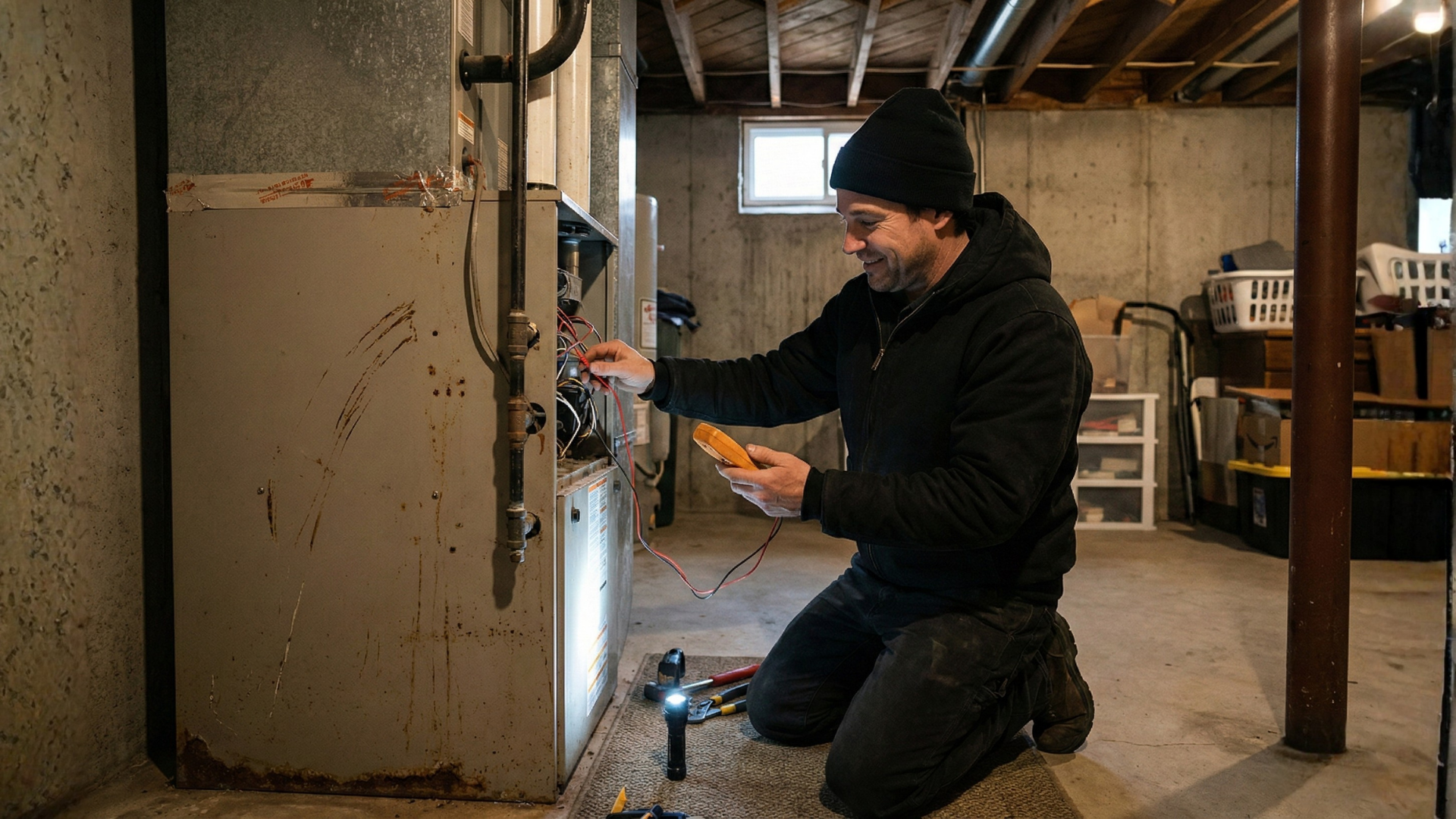
Most homeowners don't follow a neat replacement timeline. They operate on a "break-fix" strategy, meaning they replace equipment when it stops working, not when it becomes inefficient or risky. In a Clear Seas Research survey reported by ACHR News, 71% of homeowners said they replace HVAC equipment once it's no longer working.
That has a big downstream effect: decisions happen under pressure, during peak season, with limited time to compare options. In those moments, the winning contractor is usually the one who feels most trustworthy and most responsive, not the one with the fanciest brochure.
The real segmentation: generation, budget, and mindset
1) Generational behavior is mostly about how people choose
Younger homeowners (Gen Z, Millennials) tend to research online, lean heavily on reviews, and expect digital convenience. A Scorpion survey (via Dynata) highlighted a clear generational divide in expectations and communication preferences, and noted that Millennials were more likely to delay maintenance due to financial strain.
Older homeowners (often Boomers) still value trust signals like local presence and direct phone communication. In that same Scorpion research, 47% of consumers preferred phone communication, while 14% preferred digital scheduling.
The takeaway is simple: the market isn't split into "online people" and "offline people". It's split into people who want speed + clarity through digital tools and people who want speed + clarity through a human voice.
2) Economic reality determines whether efficiency is "smart" or "impossible"
Affluent homeowners are more likely to adopt premium comfort upgrades and efficiency retrofits because they can handle higher upfront cost. Cost-sensitive homeowners often need financing, rebates, or phased upgrades to make action realistic.
Here's the twist: even when financing exists, it's not always the first thing homeowners say they care about. In a myCLEARopinion survey of homeowners reported by ACHR News, financing terms ranked at the bottom, with only 27% calling them extremely or very important in purchase decisions.
But financing still matters as a conversion lever because it removes the biggest practical barrier: upfront cash.
3) Psychographics: eco-conscious vs "wait until it breaks"
Two mindsets increasingly shape demand:
- Eco-conscious / electrification-minded homeowners who want heat pumps and lower emissions.
- Reactive homeowners who delay action until failure, then need immediate help (and reassurance).
The reactive group is huge, and the data backs it: again, 71% replace only when the system stops working. So even if electrification is a growing trend, most sales still happen because something broke, not because someone planned a decarbonization journey over tea.
What actually drives contractor choice (hint: it's not the equipment brand)
Driver 1: Reputation and trust, the "gatekeeper effect"
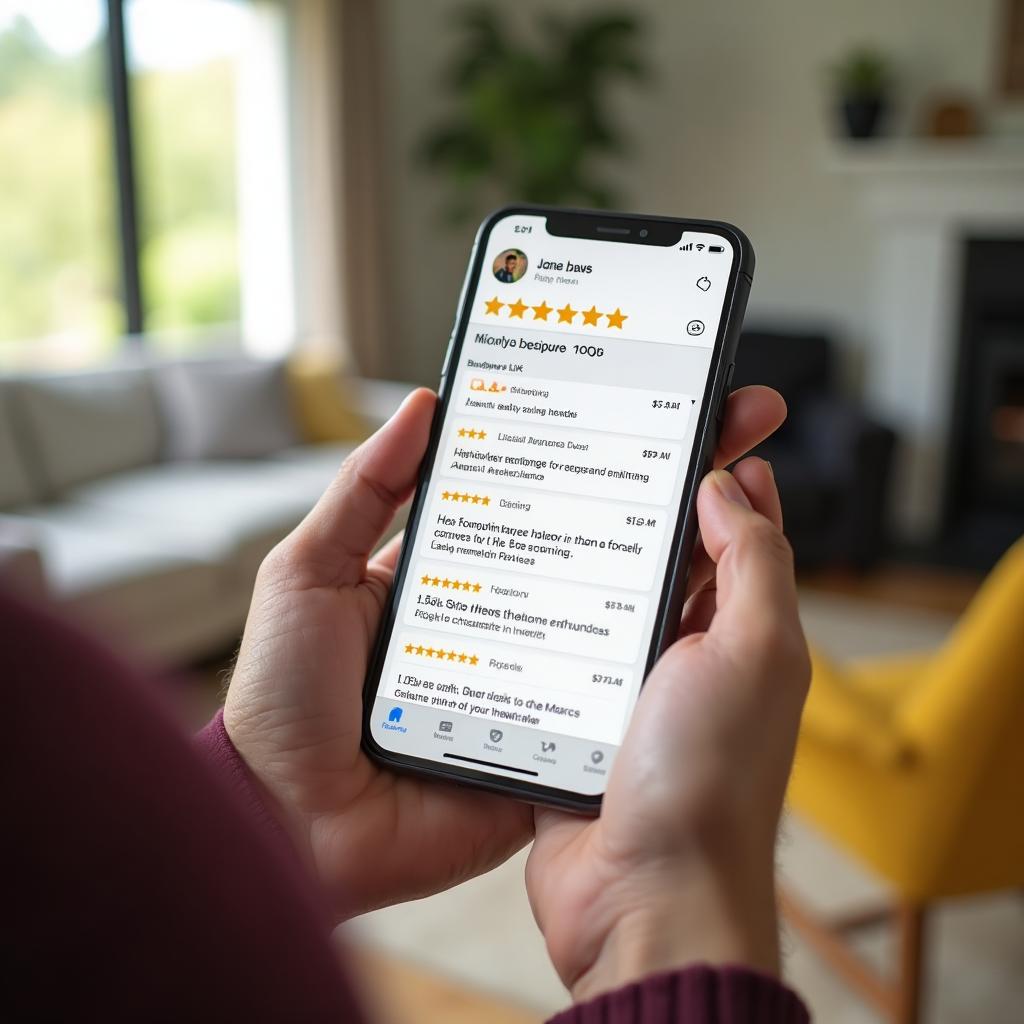
In HVAC, trust isn't a nice-to-have. It's the entry ticket.
- A homeowner survey reported by ACHR News found 92% rated contractor reputation as extremely or very important in HVAC purchase decisions.
- Another ACHR News report found 91% rely on online reviews when selecting an HVAC contractor.
- Scorpion's research also showed review quality signals matter, and that consumers weigh star ratings and recency heavily.
In practical terms: your marketing doesn't start with ads. It starts with what strangers say about you when you're not in the room.
Driver 2: The contractor brand often outweighs the equipment brand
Homeowners care that the system works, but they frequently trust the contractor to decide which system.
In a survey covered by ACHR News:
- 87% of contractors said homeowners always or frequently rely on them to decide the equipment brand, and
- 60% said homeowners will allow them to sell a different brand than the one requested.
Even homeowners reporting their own behavior showed relatively low brand fixation: among homeowners who replaced equipment in the last five years, only 22% said they called a contractor because of a specific brand, and only 15% said they initially requested a brand by name.
So the contractor becomes the translator between confusing product categories and a homeowner's real goal: "make my house comfortable again and don't ruin me financially."
Driver 3: Responsiveness and communication speed
Speed is emotional. When a home is freezing or overheating, "We'll call you back tomorrow" feels like a personal attack.
Scorpion's homeowner research found nearly 9 in 10 homeowners expect a response within 24 hours.
And communication preferences are mixed but clear: a FieldBoss survey reported that 50% prefer phone calls, while 24% prefer text updates and 12% prefer online/app booking.
This is why HVAC increasingly rewards "frictionless operations":
- fast reply times,
- proactive status updates,
- clear arrival windows,
- and confirmations that feel human (tech name, photo, what to expect).
Driver 4: Price, transparency, and the "no surprises" rule
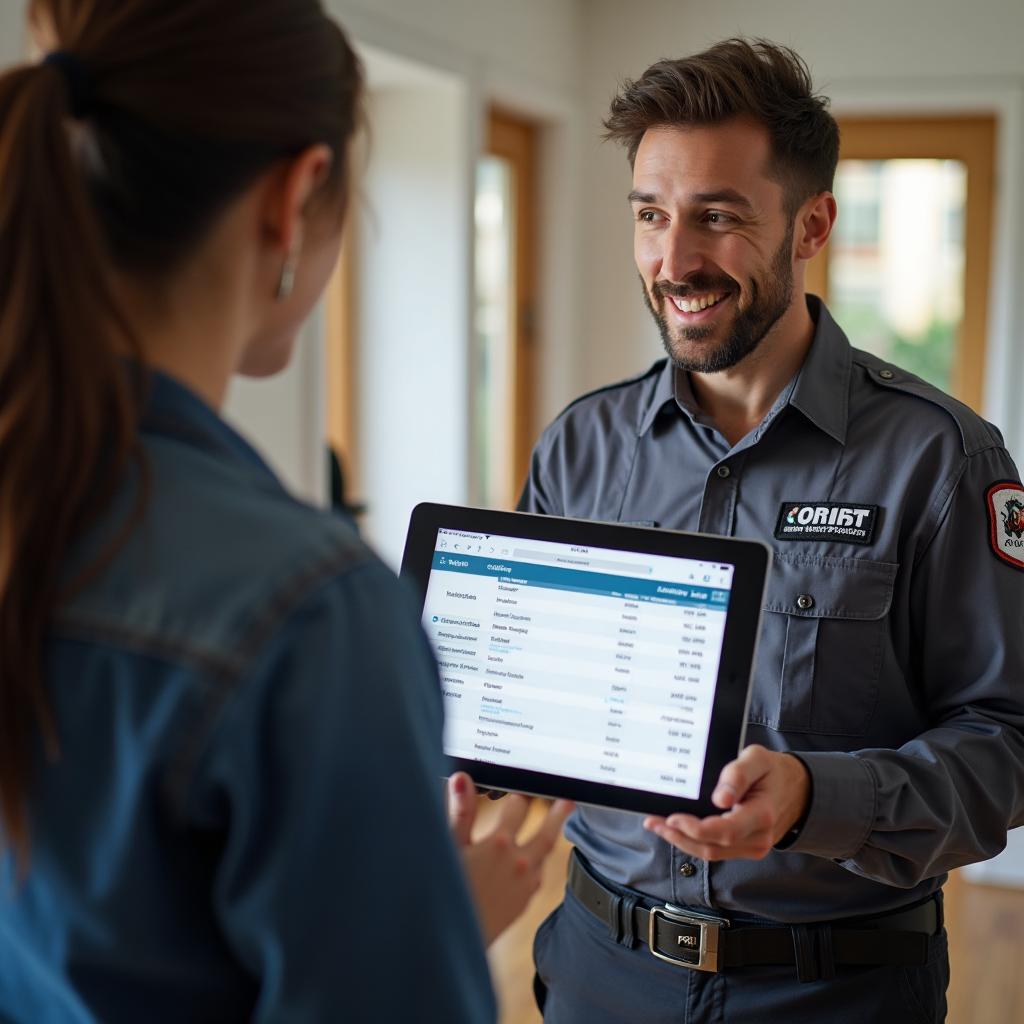
Homeowners don't necessarily demand the cheapest option. They demand the least scary option.
Transparency is a measurable advantage. An ACHR News report found 70% of homeowners would be more likely to call a contractor who lists pricing online.
That doesn't mean everyone needs full menu pricing for every scenario. It does mean homeowners reward signals like:
- upfront pricing ranges,
- clear diagnostic fees,
- written estimates,
- and "here's what happens next" explanations.
Driver 5: Comfort, reliability, and "quiet luxury" at home
Reliability remains core, but modern buyers increasingly want quality of life improvements: steady temperatures, low noise, better humidity control, and fewer hot-and-cold zones. That's why premium systems (like variable speed heat pumps) often sell when contractors frame them correctly: not as gadgets, but as comfort insurance.
What the modern HVAC customer is really buying
1) A consultative experience, not a transaction
As systems get more complex and incentives get messier, homeowners want a contractor who can:
- diagnose honestly,
- explain options without jargon,
- and recommend a solution that fits the home and the budget.
ACHR News explicitly frames this shift: homeowners prioritize reputation, warranty, and price, while equipment brand ranks lower, reinforcing that the contractor's role is "trusted advisor," not "order taker."
2) A long-term relationship through maintenance plans
When homeowners feel uncertain, they crave "peace of mind" structures. Memberships and service plans are popular because they reduce emergency risk and simplify decision-making. FieldBoss reported that a meaningful portion of homeowners already subscribe to service plans, and many more show interest, suggesting the maintenance relationship is becoming part of the expected package.
3) Wellness and indoor air quality (IAQ) is moving from "nice" to "necessary"
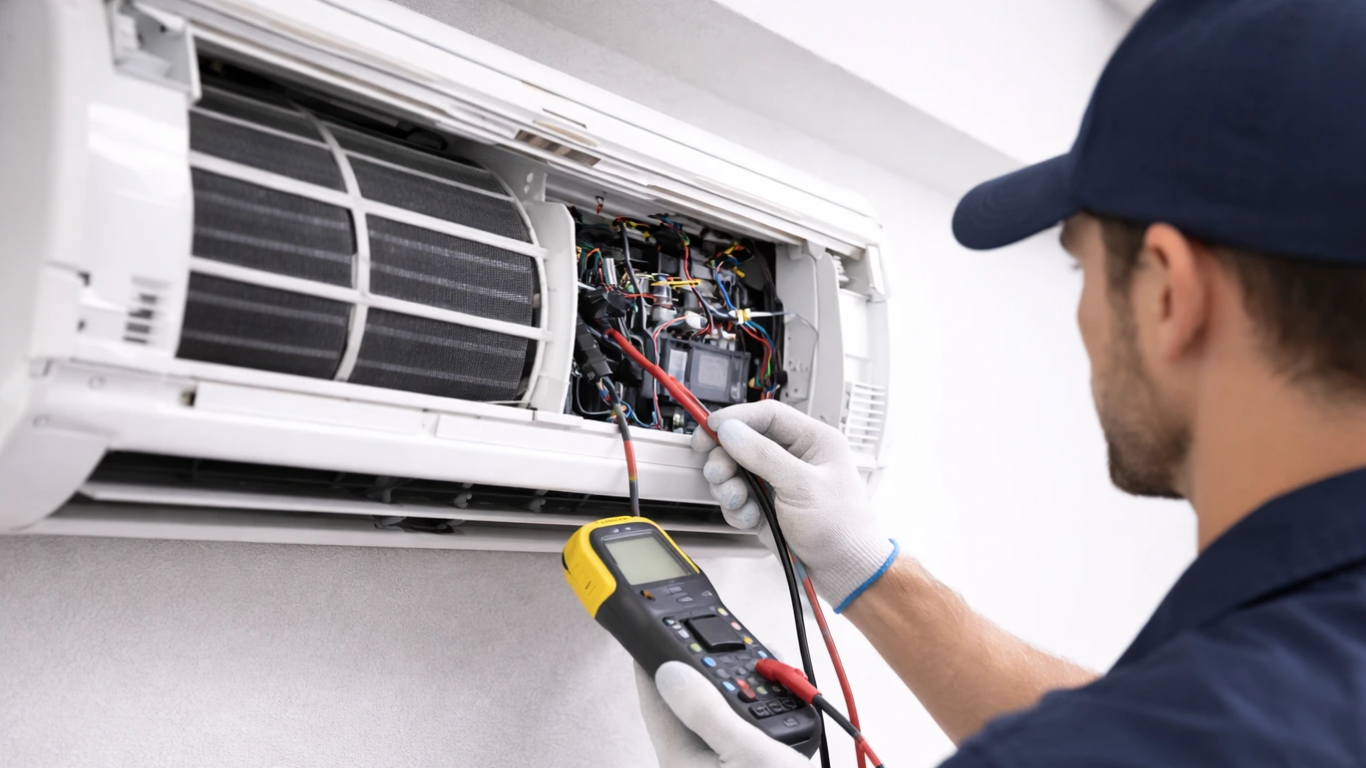
Wildfire smoke seasons and public health awareness have pushed indoor air quality into the mainstream. Government guidance now explicitly emphasizes using the highest-efficiency HVAC filtration compatible with the system during wildfire smoke events. This changes buying behavior: homeowners are more open to filtration upgrades, purifiers, and whole-home solutions when the contractor ties them to real outcomes (less smoke odor, fewer particulates, improved comfort), not vague "clean air" promises.
What this means for HVAC providers (and the marketers who feed them)
The residential HVAC industry is shifting toward a model where the winners look less like "repair companies" and more like trusted home-comfort advisors:
- Trust marketing beats feature marketing. Reviews, reputation, and proof matter more than brand specs.
- Speed is a competitive advantage. Response-time expectations are brutal and getting tighter.
- Transparency converts. Pricing clarity reduces fear and increases calls.
- Equipment brand is secondary for many homeowners. Contractor confidence and guidance drive the final choice.
- IAQ is a serious upsell, but only when tied to real-world conditions.
Or, in plain English: homeowners want fewer mysteries, fewer delays, and fewer surprises.
Do homeowners care more about the HVAC equipment brand or the contractor?
In many cases, homeowners prioritize the contractor's reputation, responsiveness, and clarity over the specific equipment brand. They often rely on the contractor to recommend the right system for the home.
What matters most when choosing an HVAC company?
Reputation and trust signals like reviews, fast communication, transparent pricing, and professional guidance tend to outweigh product features for most homeowners.
Why are HVAC maintenance plans becoming more popular?
Maintenance plans reduce the risk of emergency breakdowns, improve scheduling priority, and create peace of mind by turning HVAC into an ongoing service relationship rather than a one-time repair.
How has indoor air quality (IAQ) influenced HVAC buying decisions?
Wildfire smoke and health awareness have increased demand for filtration and purification. IAQ upgrades are increasingly seen as practical, not luxury, especially when tied to real conditions like smoke events.