The VIDL Growth System: A 7-Step Framework to Stop "Random Acts of Marketing"
Most small business owners learn marketing the way people learn to swim when pushed into the deep end: splashing, guessing, and hoping. You boost a post. You try Google Ads. You hire someone, fire someone, and then try a discount.
Eventually, you wonder why nothing works consistently.
It isn't because you are doing it wrong. It is because you are being asked to build a house by starting with the roof.
This chaotic approach is what we call "Random Acts of Marketing." It burns cash and builds no assets. The antidote is the VIDL Growth System—a structured, evidence-based sequence designed to move small businesses from "hunting for leads" to "farming for growth."
Here is how the system works, broken down into its three core pillars: Clarity, Predictability, and Scalability.
Phase 1: CLARITY (The Foundation)
You cannot scale confusion. The VIDL system argues that most marketing fails before it even begins because businesses skip the foundational work.
Step 1: Define Your Audience and Offer
Every strong marketing engine begins with focus. A common mistake is trying to sell to everyone. As the VIDL framework notes: "A bakery once ran ads to 'everyone who likes cake.' Spoiler: that's everyone. And therefore, it's no one."

Relevance increases trust. When you define your "Who"—like the cleaning service that shifted from targeting "anyone with a dirty home" to "dual-income families with no free time"—your message suddenly resonates.
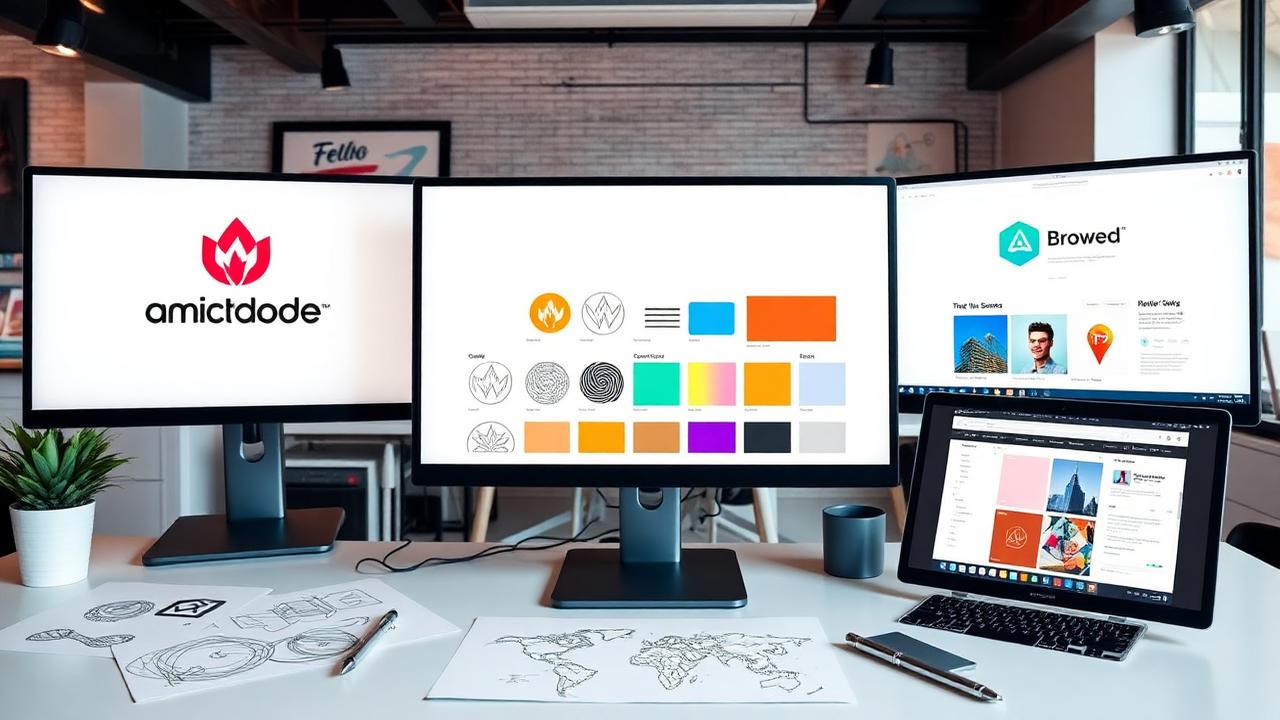
Step 2: Build Your Brand Presence
Before people buy, they judge. Humans make trust decisions in milliseconds, not after reading six paragraphs. If your ads are great but your landing page is cluttered or your logo looks amateur, you lose the sale. Brand presence isn't about being fancy; it's about helping customers trust you fast.
Phase 2: PREDICTABILITY (The Engine)
Once the foundation is set, the goal shifts to creating a reliable flow of leads. This ends the "feast or famine" cycle.
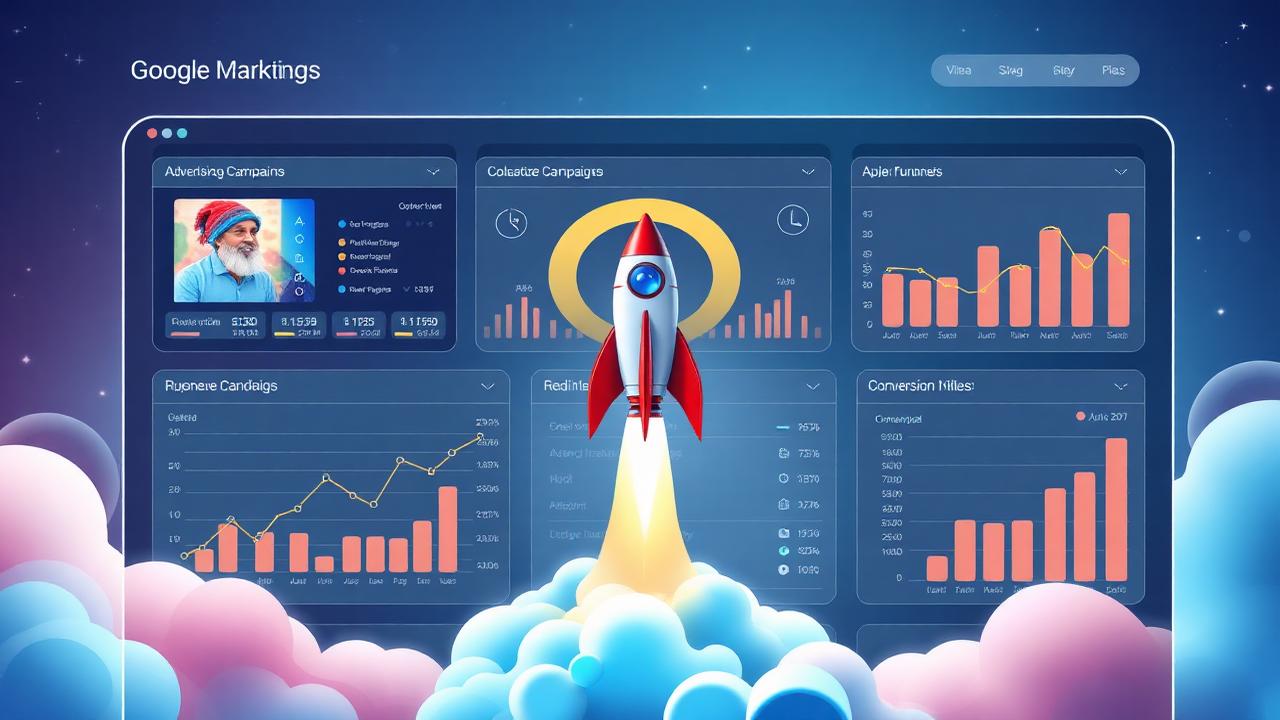
Step 3: Launch Advertising and Sales Funnels
A funnel is not just a website. A website is a brochure; a funnel is a guided path that reduces friction and increases action. Consider the "Tale of Two Tutors":
- Tutor A sends ad traffic to a cluttered homepage.
- Tutor B sends traffic to a page with a specific promise ("Raise grades in 30 days"), clear pricing, and a "Book Intro" button.
Tutor B wins every time because the path is predictable.
Step 4: Nurture Leads and Repeat Sales
Most customers don't buy the first time they see you. This isn't a theory; it's behavioral economics. They research, compare, and budget. If you don't have a system to nurture them, you lose them. By implementing automated email sequences and remarketing flows, you turn "not now" leads into "let's do it" customers.

Phase 3: SCALABILITY (The Growth)
The final phase is about leverage—using systems to grow without the business owner needing to touch every single dial.
Step 5: Create Engaging Content
Content isn't about chasing algorithms; it's about familiarity and authority. Simple, educational content (like a contractor posting "3 signs your furnace is failing") builds a relationship before the sales call ever happens.

Step 6: Optimize with SEO and GEO Tools
If paid ads are the faucet, SEO (Search Engine Optimization) is planting fruit trees. It is slow at first, but once it grows, it feeds you constantly. Modern growth requires optimizing for GEO (Generative Engine Optimization)—ensuring your business is visible not just on Google Maps, but in AI search results and voice queries.
Step 7: Analyze and Improve
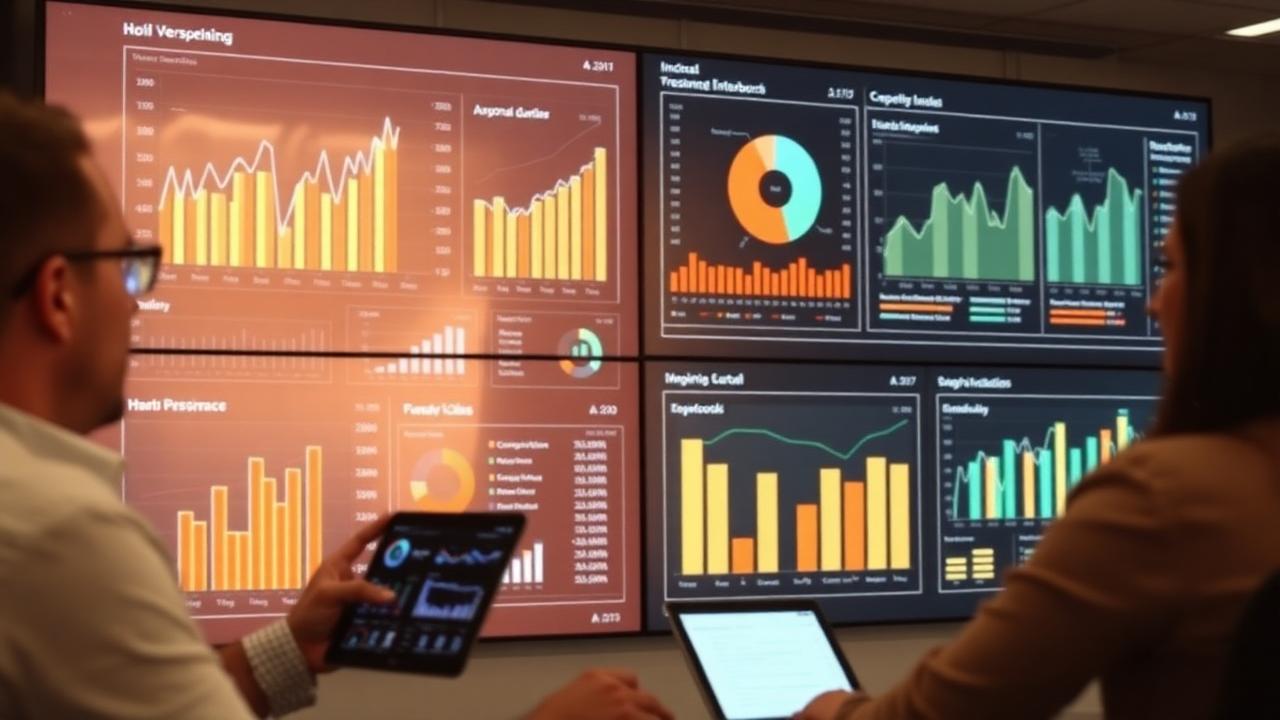
This is where marketing becomes a business asset rather than a gambling habit. Instead of asking "Is it working?", you look at the data: Cost per lead, sales per channel, and conversion rates. Data doesn't just make you smarter; it makes you confident.
The Scalable Growth Cycle
The most critical takeaway from the VIDL Growth System is that it is not a straight line; it is a cycle.
Every quarter, you repeat the steps: Define → Build → Launch → Nurture → Create → Optimize → Analyze. Each time you complete the cycle, your data gets better, your cost per acquisition drops, and your brand grows stronger. This "compounding effect" is the difference between businesses that grow by accident and those that grow on purpose.
Are you ready to stop guessing and start growing?
Why is my small business marketing not working?
Most marketing fails because businesses skip the foundational work—trying to launch ads before defining who they're targeting or what makes their offer unique. As the VIDL framework states, "you cannot build a house by starting with the roof." Ads only work when the foundation (offer and audience) is solid.
What is the VIDL growth system?
The VIDL Growth System is a research-based, 7-step framework designed specifically for small businesses. It moves you from "random acts of marketing" to a predictable, scalable growth engine through three phases: Clarity (defining audience and brand), Predictability (launching funnels and nurturing leads), and Scalability (content, SEO/GEO, and analytics).
How to scale a service business without burnout?
The key is systems and leverage. Instead of manually chasing every lead, the VIDL system helps you build automated nurture sequences, evergreen content, and data-driven optimization. This "farming" approach replaces the exhausting "hunting" cycle, allowing your business to grow while reducing your daily workload.
How to stop wasting money on Facebook ads?
The problem isn't the platform—it's the approach. Most businesses run ads to cluttered pages with unclear offers. The VIDL system teaches you to create specific funnels with clear promises, defined audiences, and nurture sequences. When your funnel is optimized, your ad spend becomes an investment, not an expense.
Is this system only for large companies?
No. It is designed specifically for small businesses—contractors, tutors, wellness centers, professional services—who need leverage. It works because it is sequential and evidence-based, respecting that small business owners have limited time and need predictable results.
What is the difference between SEO and GEO?
SEO (Search Engine Optimization) helps you rank in traditional search engines like Google. GEO (Generative Engine Optimization) ensures your business is recommended by AI tools (like ChatGPT and Gemini) when users ask for local recommendations. Modern growth requires both—traditional visibility and AI readiness.
How do I know if my marketing is working?
Step 7 of the VIDL system—Analyze and Improve—teaches you to track the metrics that matter: cost per lead, conversion rates, customer acquisition cost (CAC), and sales per channel. Data transforms marketing from a gambling habit into a business asset. When you know what's working, you can confidently scale what drives results.